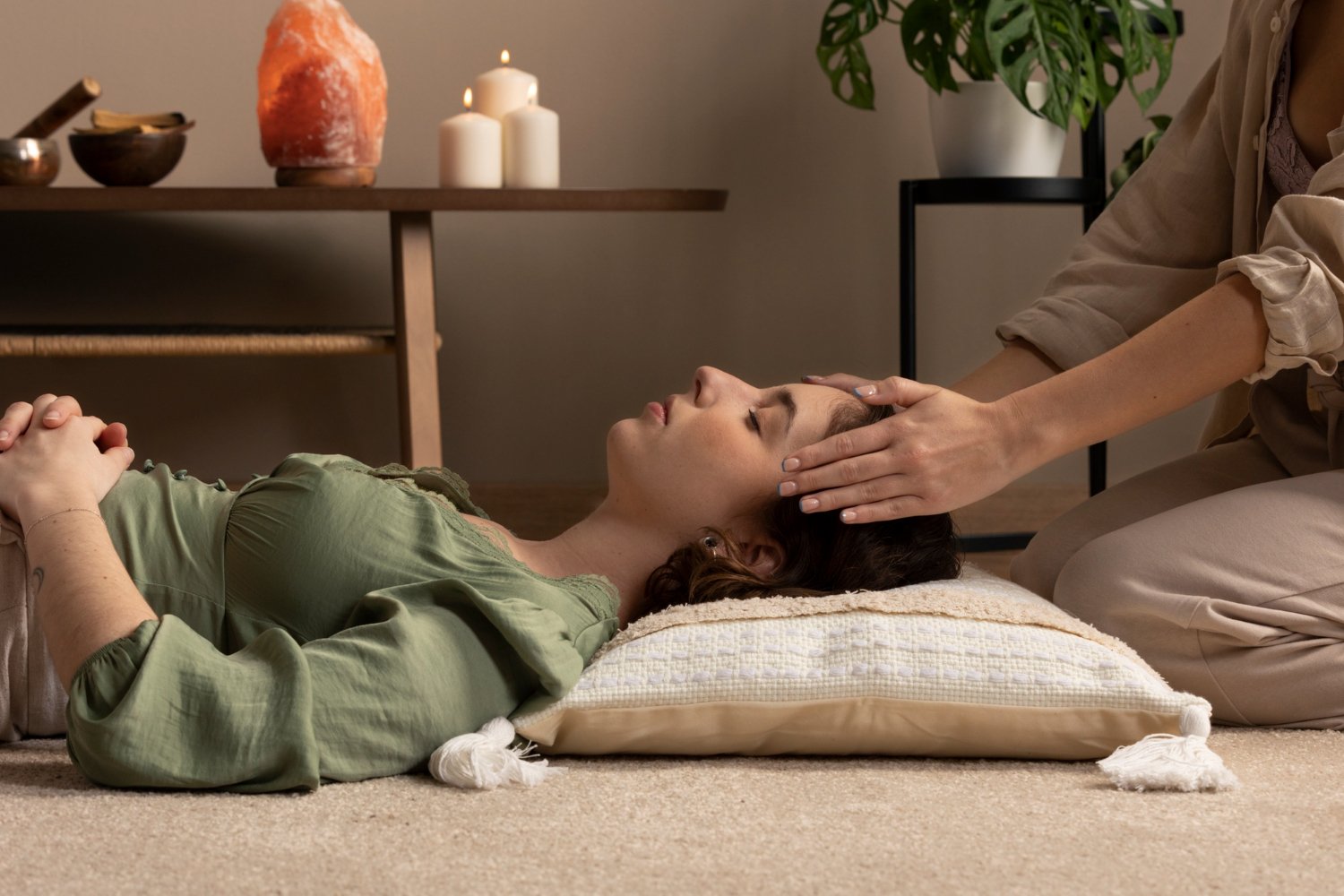
In today’s fast-paced world, stress, emotional overload, and constant mental stimulation can leave many people feeling drained and disconnected. As a result, holistic practices like Reiki and Energy Healing are gaining attention for their gentle, non-invasive approach to restoring balance and promoting relaxation. Rooted in ancient wisdom yet practiced globally today, Reiki offers a unique way to support overall well-being.
What Is Reiki?
Reiki is a form of energy healing that originated in Japan in the early 20th century and was developed by Mikao Usui. The word “Reiki” comes from two Japanese terms:
- Rei – universal or spiritual
- Ki – life energy (similar to concepts like Prana or Chi)
Reiki is based on the idea that life energy flows through all living beings. When this energy is balanced and flowing freely, people often feel calm, centered, and resilient. When it feels blocked or depleted, it may be associated with stress, emotional imbalance, or fatigue.
How Reiki Works
Reiki is typically practiced through gentle hand placements on or slightly above the body. A Reiki practitioner does not manipulate or control energy but acts as a channel, allowing energy to flow where it is needed.
A typical Reiki session may:
- Be done fully clothed
- Take 45–60 minutes
- Involve lying down or sitting comfortably
- Create a calm, peaceful environment
Many people describe sensations such as warmth, tingling, deep relaxation, or emotional release during a session, while others simply feel rested and peaceful.
What Is Energy Healing?
Energy healing is a broad term that includes Reiki and other practices that work with the body’s natural energy systems. These approaches are based on the belief that emotional, mental, and physical well-being are interconnected.
Common forms of energy healing include:
- Reiki
- Chakra balancing
- Pranic healing
- Sound healing
- Crystal healing
Each method has its own techniques, but all aim to encourage harmony and balance within the individual.
Potential Benefits of Reiki & Energy Healing
While Reiki is not a replacement for medical care, many people use it as a complementary practice for overall wellness. Commonly reported benefits include:
- Deep relaxation and stress reduction
- Improved emotional clarity and calm
- Support during times of change or overwhelm
- Better sleep and restfulness
- A greater sense of balance and self-awareness
Because Reiki is gentle and non-forceful, it is often considered suitable for people of all ages when practiced responsibly.
Reiki and the Mind–Body Connection
One of Reiki’s most meaningful aspects is its focus on the mind–body connection. Stress and emotional tension can affect how we feel physically, and Reiki sessions often encourage stillness, mindfulness, and inner reflection. This can help people reconnect with themselves and become more aware of their emotional and mental states.
What to Expect After a Reiki Session
After a session, people may feel:
- Calm and refreshed
- Emotionally lighter
- More grounded
- Tired (as the body relaxes deeply)
Some people notice subtle shifts over time rather than immediate changes. Reiki is often described as a process that unfolds gently, supporting balance rather than forcing outcomes.
Reiki as a Complementary Practice
It’s important to understand that Reiki and energy healing are complementary wellness practices, not medical treatments. They do not diagnose, treat, or cure illnesses. Instead, they are often used alongside healthy lifestyle choices, self-care, and professional healthcare when needed.
Final Thoughts
Reiki and energy healing offer a peaceful, compassionate approach to well-being in a busy world. Whether someone is seeking relaxation, emotional balance, or a deeper connection with themselves, Reiki provides a space for stillness and renewal. Its growing popularity reflects a wider interest in holistic wellness and the understanding that caring for the mind, body, and energy together can support a more balanced life.